 BringPass
Selectable optical codes
Switch between approved barcodes or QR values. Future dynamic proofs only help when the receiving system verifies them.
A dedicated electronic token could make provider-specific codes and secure credentials available without reaching for a smartphone every time.
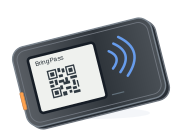
A display for choosing a relationship. A secure element for credentials. A physical confirmation button. Only the functions needed for presenting and managing access.
Switch between approved barcodes or QR values. Future dynamic proofs only help when the receiving system verifies them.
Target a defined NFC profile rather than promising universal card emulation. Reusable credentials must not bypass issuer keys or access policy.
Prefer device-specific keys, a visible recovery process and controlled re-provisioning. A lost token should not force every account to be recreated.
A passive NFC chip can draw power from the reader, but changing a display, selecting a provider or maintaining a clock needs an energy budget. A retained e-paper image does not make the whole device battery-free.
Display contrast and barcode scanning, radio certification, secure provisioning, button accessibility, charging, update signing and recovery all need prototype validation. Offline reader support adds time, replay and revocation requirements.
The next useful milestone is a bench prototype: show an approved static code, switch relationships, perform one well-defined secure NFC exchange, and test recovery without leaking a global device identity.
Read the design brief