BringPass

Fewer things to carry
One credential set across participating organisations. Your choice of carrier.
Your gym. Your library. Your workplace.
Fewer cards to carry. Less for organisations to issue.
Open concept. Gradual adoption. No central identity hub.
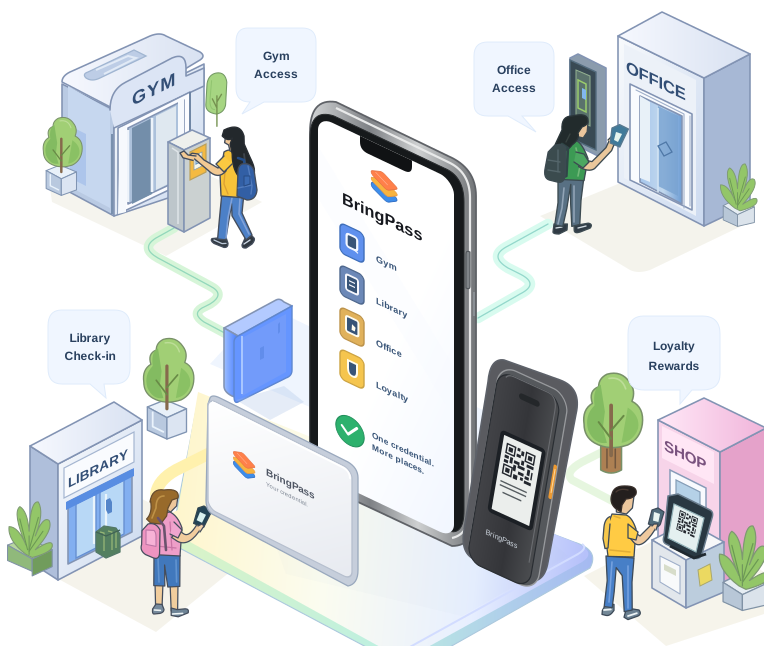
One credential set.
Familiar places.
Keep the account. Change who brings the credential. The organisation keeps its data and access rules; the person chooses a compatible carrier.
The case for bring-your-ownOne credential set across participating organisations. Your choice of carrier.
Reduce avoidable media and fulfilment work—not the checks that keep access safe.
Provider-specific identities in the native design. No global personal-data hub.
Start where existing systems permit. Keep issued cards as a fallback.
From a familiar scan at the front desk to a provider-bound cryptographic proof. Each route has a clear boundary.
Select an authorised issuer code or compatible physical card. The provider need not know BringPass.
No native awarenessMatch the approved value format or existing application. Enrol through the normal workflow.
Provider software unchangedBoth peers implement authenticated proof and lifecycle messages. No mandatory web API.
Both sides implementA missing medium, key or enrolment option is a real boundary. Ask for cooperation or use other media.
Not a silent fallback“No changes” only applies when the reader, backend and enrolment policy already accept the credential. A new protocol always needs integration.
Explore transition routes & processesNo single device has to do everything. Combine familiar media with a future path to stronger authentication.
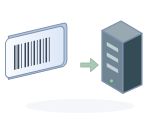
See the compatibility matrixApproved formats for existing scanners. Static codes remain copyable.
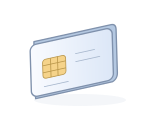
Tap compatible readers. Secure applications need a matching protocol.
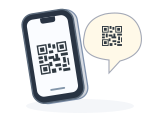
Select codes and manage credentials. NFC is platform- and reader-specific.
A pocket display, physical controls and a secure element. No phone at every door.
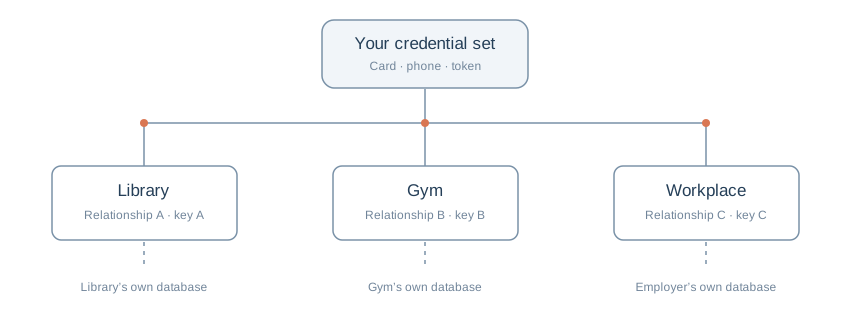
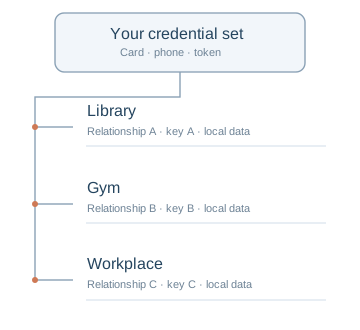
Associate a key or approved value with the existing account.
Associate a credential with the provider’s existing account.
Present the expected value or native proof; the provider checks permission.
Show a provider-specific value where the chosen medium supports it.
Disable the lost or replaced credential without breaking the others.
Verify possession against the enrolled key and a fresh challenge.
Withdraw this BringPass relationship, not the underlying account.
Keep the relationship. Revoke and replace its credentials.
The exceptions matter as much as the first tap.
“Do you already have a compatible credential?” becomes part of enrolment.
Read the full processStaff locate or create the local account and apply the existing identity checks.
Scan or tap a supported medium. Check the format and enforce uniqueness.
Assign it, test a real transaction, and record what was enrolled.
C0/C1 need no provider software change only when the existing enrolment accepts the medium and value. C2 native proof requires implementation on both sides.
The organisation’s existing account remains the starting point—not an unverified QR code.
Read the full processUse an authenticated account session, with step-up verification when required.
Legacy: use the portal’s existing add-credential function, if available. Native: bind the registration challenge and new-key proof to the verified account session.
Show the account and credential; confirm the link, notify the user, and test.
No software change only if the portal already supports this enrolment. Otherwise use the service desk or add integration. An unverified code must never choose an arbitrary account.
Device-specific keys make selective revocation possible in the native design.
Read the full processUse an already enrolled alternative or the provider’s verified recovery process.
Disable the lost credential at every affected provider, including queued offline readers.
Bind a new credential, test access and issue confirmation through a trusted channel.
Shared legacy codes or copied keys cannot distinguish lost and retained copies. Replace all exposed copies; offline revocation is not instant.
Distinguish carrying an existing code differently from enrolling a new, user-owned credential.
Read the full processAsk whether authorised re-display or a new external value is permitted and technically supported.
Re-display an allowed optical code, or register a distinct compatible medium through staff.
Keep the old credential during testing where possible, then retire it deliberately.
Re-displaying the same value is consolidation, not cryptographic ownership. Revoking that value also revokes every copy. No protected-card cloning is proposed.
Keep existing readers unchanged where they already accept the credential. Use the native protocol when both sides participate.
Four operations: register, use, revoke and retract. Transport and existing reader commands remain separate concerns.
PROFILE.IMPORT(approved_profile)
PROFILE.SELECT("library")
PROFILE.PRESENT()

// Existing scanner receives only:
00481720provider → token: CHALLENGE(operation, context, nonce)
token → provider: PROOF(challenge, credential)
provider → token: RESULT(request, outcome, revision)
// REGISTER · USE · REVOKE · RETRACT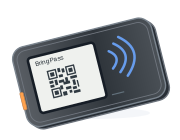
A dedicated token could carry changing codes and native credentials—without becoming another general-purpose screen.
Not a product announcement. No prototype, price or release date.
Sometimes. An existing scanner must read the format, and the backend must accept and enrol the presented value. UID-only readers need compatible physical media; proprietary secured systems need vendor cooperation. A native protocol requires integration. Check the compatibility boundaries.
No. A compatible physical card can remain the everyday credential, with an organisation-issued fallback. A phone is useful for selecting different barcodes, managing relationships and recovery. The dedicated display token is only a future concept.
Not in the proposed native design. Each provider receives its own relationship identifier and credentials. Legacy reuse can still expose the same barcode, NFC UID, or other lower-layer identifiers. That trade-off must be explicit; pairwise keys alone cannot erase all tracking metadata.
Recover account authority through an enrolled alternative and the provider’s management policy, or through verified recovery. Revoke the lost credential at every affected provider. Offline readers may update later. The reference demonstrates local revocation; it does not implement real account recovery or a global revocation service.
Yes. Mixed operation is the intended transition: accept suitable user-supplied credentials and keep issuing cards when needed. Multiple concurrent credentials depend on the backend; a one-card field may require a cutover rather than parallel use.
No. It is an industrial-design concept, with no prototype, supplier, price, battery-life claim or release date. A low-power display, secure element, physical controls and NFC are design directions, not validated specifications.
Find one compatible workflow. Test it. Keep a fallback.